
"early coffee plantations"
2000 article(s) found

Grade A coffee producing area of Ecuador, Santa Cruz, Galapagos Islands.
As coffee is consumed by people all over the world, the world coffee industry is also moving towards mass production, while St. Cristobal, a small and unreliable coffee industry, is in trouble and is likely to be forced to give up without profit. It wasn't until the early 1990s that the Gonzalez family bought Hasunda Coffee Park. Humboldt current (HumboldtC

Venezuelan Coffee Plantation introduces the treatment of boutique coffee
One of the many plantations in Merida at the foot of the Andes belongs to the Pablo and Pulido families, an ancient farm that has been allowed to downsize. Since taking over the farm in the early 1980s, the Pulido family has harvested coffee from existing bourbon coffee trees and planted new tree species.

Basic knowledge of boutique coffee Venezuelan coffee
Venezuela introduced coffee trees from Martinique as early as 1730, but coffee production was almost abandoned at the height of the oil industry. Recently, coffee plantations have begun to recover, with original Tipica and bourbon coffee trees and new plantations laying the foundation for coffee exports.

Ecuador coffee plantation flavor characteristics of the taste of Ecuador coffee introduction
As coffee is consumed around the world, the world coffee industry moves toward mass production, and San Cristobal's smaller and less reliable coffee industry is in trouble and may eventually be forced to give up without profit. It wasn't until the early 1990s that the Gonzalez family bought Hassenda Coffee Plantation. Humboldt Current
The flavor of Martinique Coffee Plantation Island Coffee beans
Martinique, the cradle of American coffee, Martinique is a small island and the birthplace of Central American coffee, but it produces very little coffee today. The first coffee tree in the Western Hemisphere was brought from France by Gabriel Mathieu de Clieu in the early 1820s. In his early years, Dirkley was a naval officer in Martinique, and he brought back

Coffee from Venezuela
Coffee trees were imported from Martinique as early as 1730, but coffee production was almost abandoned during the heyday of the oil industry. Coffee plantations have recently begun to revive, with the old Tipica and Bourbon trees and new plantations laying the groundwork for coffee exports.

The characteristics of Venezuelan coffee
Venezuela introduced coffee trees from Martinique as early as 1730, but coffee production was almost abandoned at the height of the oil industry. Recently, coffee plantations have begun to recover, with original Tipica and bourbon coffee trees and new plantations laying the foundation for coffee exports.

Indian Plantation A Coffee, known as "very natural nuggets".
India is the first country in Asia to grow coffee, and India's A-grade coffee beans have always been a kind of coffee strongly concerned by coffee lovers all over the world. Its flavor and taste features: uniform particles, rich taste, slippery and delicious. The cultivation of Indian coffee originated from their colonists, the British. As early as the 17th and early 18th centuries, the English were not as addicted to tea as they are now.

Indian Plantation A Coffee, known as "very natural nuggets".
India is the first country in Asia to grow coffee, and India's A-grade coffee beans have always been a kind of coffee strongly concerned by coffee lovers all over the world. Its flavor and taste features: uniform particles, rich taste, slippery and delicious. The cultivation of Indian coffee originated from their colonists, the British. As early as the 17th and early 18th centuries, the English were not as addicted to tea as they are now.

Introduction to the characteristics of the aromatic Ecuadorian Coffee Manor producing area
Ecuador is the highest Arabian coffee plantation in the world. The Arabian Coffee Tree was first introduced to Ecuador in 1952 and its coffee is of good quality, especially the coffee harvested in early June. Ecuadorian coffee beans can be divided into two varieties: Galapagos and Gigante, both of which have the characteristics of large particles, heavy weight, balanced acidity and rich aroma. Er

The coffee producing area of Venezuela.
Venezuela introduced coffee trees from Martinique as early as 1730, but coffee production was almost abandoned at the height of the oil industry. Recently, coffee plantations have begun to recover, with original Tipica and bourbon coffee trees and new plantations laying the foundation for coffee exports.

Indian plantations, the first country in Asia to grow coffee
India is the first country in Asia to grow coffee, and India's A-grade coffee beans have always been a kind of coffee strongly concerned by coffee lovers all over the world. Its flavor and taste features: uniform particles, rich taste, slippery and delicious. The cultivation of Indian coffee originated from their colonists, the British. As early as the 17th and early 18th centuries, the English were not as addicted to tea as they are now.
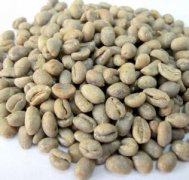
Global Coffee producing area Venezuela Coffee Market
Venezuela introduced coffee trees from Martinique as early as 1730, but coffee production was almost abandoned at the height of the oil industry. Recently, coffee plantations have begun to recover, with original Tipica and bourbon coffee trees and new plantations laying the foundation for coffee exports.
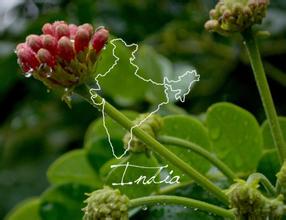
Asian Coffee Manor Coffee production area Coffee Plantation A Coffee beans have rich flavor and taste.
Flavor and taste characteristics: uniform particles, rich taste, slippery and delicious. People who taste Indian coffee for the first time will feel a strong flavor of the sea because Indian coffee beans are dried by the salty sea breeze. The cultivation of Indian coffee originated from their colonists, the British. As early as the 17th and early 18th centuries, the British were not as addicted to tea as they are now.
From Coffee Beans (22)--America--Venezuela
The distinctive manor coffee comes from this oil-rich country. Oil was once considered Venezuela's main export. Although coffee trees were imported from Martinique as early as 1730, coffee production was almost abandoned during the heyday of the oil industry. Coffee plantations have recently begun to revive, with the original plantations of Tipica and Bo

Hasunda coffee Ecuadorian coffee characteristics Ecuadorian coffee beans taste
Professional coffee knowledge exchange more coffee bean information please follow the coffee workshop (Wechat official account cafe_style) coffee treasures from the hometown of giant turtles, this kind of coffee is of excellent quality and does not use any chemicals when growing. Coffee is grown in San Cristobal (Saint Crstbal). St. Cristobal is one of the Galapagos Islands (Galapagos Islands).

Venezuela's coffee producing region Venezuela's coffee market
Coffee trees were imported from Martinique as early as 1730, but coffee production was almost abandoned during the heyday of the oil industry. Coffee plantations have recently begun to revive, with the old Tipica and Bourbon trees and new plantations laying the groundwork for coffee exports.

Ecuador, the highest Arabica coffee plantation in the world, introduces the coffee producing countries.
Ecuador is the highest Arabian coffee plantation in the world. Since the coffee tree was first introduced into Ecuador in 1875, the quality of its coffee has remained unchanged for 100 years, especially the coffee harvested in early June every year, which is known as the best coffee in the world. Ecuadorian coffee beans are divided into Galapagos and Segante, both of which have large particles and heavy weight.

Coffee manor introduces Indian plantation A coffee
India is the first country in Asia to grow coffee, and India's A-grade coffee beans have always been a kind of coffee strongly concerned by coffee lovers all over the world. Its flavor and taste features: uniform particles, rich taste, slippery and delicious. The cultivation of Indian coffee originated from their colonists, the British. As early as the 17th and early 18th centuries, the English were not as addicted to tea as they are now.